
Sandvik Spare Parts
Compatible rock drill components for Sandvik — 131 parts listed
Seal Kit
The seal kit, part 887 929 79, contains the full set of seals for a single overhaul of a Sandvik cylinder or valve, and is sold as a set because a seal that still looks intact often hardens at the same rate as the ones that have visibly failed. Replacing only the seal that leaks and leaving its neighbours in place is a common way to be back inside the same unit within a few months. Seal life is shortened considerably by contaminated fluid, so a failed seal kit is worth treating as a prompt to check filtration and fluid cleanliness rather than a fault in isolation. Perfomega quotes this Sandvik reference by part number and exports worldwide to mining, quarrying, and drilling contractors.
Lock Nut
The lock nut, part 886 833 89, holds a threaded joint under vibration in Sandvik equipment, and its locking feature is what actually does the work, not the thread engagement alone. A lock nut reused after its locking element has already been compressed once no longer provides the resistance to loosening it was designed for, even though it still tightens down and looks fine. Because a joint backing off under vibration rarely announces itself before something downstream is damaged, lock nuts are treated as single-use items in most maintenance procedures rather than reused across service intervals. Perfomega quotes this Sandvik reference by part number and exports worldwide to mining, quarrying, and drilling contractors.
Thermostat
The thermostat, part 886 640 59, regulates coolant or oil flow through a Sandvik unit's cooling circuit by opening and closing at a fixed temperature, and a thermostat that fails does not always fail in an obvious direction. One that sticks closed causes overheating quickly, while one that sticks open lets the system run cold and slows warm-up without setting off any alarm. Because the cold-running failure mode has no dramatic symptom, a thermostat is often only diagnosed once someone notices the unit is taking unusually long to reach operating temperature. Perfomega quotes this Sandvik reference by part number and exports worldwide to mining, quarrying, and drilling contractors.
Rotation Shaft
The rotation shaft, part BG009 175 93, transmits rotational load through Sandvik equipment under torsional stress and whatever bending load any misalignment in the system adds on top. Fatigue in a shaft develops slowly through microscopic cracking, so a shaft nearing the end of its life can look completely serviceable right up until sudden fracture. Alignment is the biggest factor in how long a shaft actually lasts, and shaft failures in the field are so often accompanied by worn bearings that diagnosing one without checking the other risks repeating the failure with the replacement. Perfomega quotes this Sandvik reference by part number and exports worldwide to mining, quarrying, and drilling contractors.
Idler Wheel
The idler wheel, part 322 278 48, supports and guides a moving belt or track chain without driving it, riding on an internal bearing that usually determines its actual service life more than the wheel's outer surface does. A wheel that no longer rotates freely converts rolling contact back into sliding contact at the point it touches. That single fault can meaningfully shorten the life of the far more expensive track chain or belt running over it, which is why a relatively cheap idler wheel is worth checking by hand rather than leaving in service on the strength of a quick visual look. Perfomega quotes this Sandvik reference by part number and exports worldwide to mining, quarrying, and construction contractors.
Stabilizer Kit
The stabilizer kit, part Bg00646593, keeps a Sandvik drilling attachment steady and correctly aligned as it works, and is supplied as a kit because its pads, pins, and bushings function as a coordinated set. Replacing one worn element while leaving the others in place rarely restores the stability the assembly is meant to provide. Without adequate stabilization, side loading from uneven ground translates into lateral movement that accelerates wear on bearings and seals well beyond the stabilizer itself, so wear here has an outsized effect on the rest of the drill string. Ground conditions vary the replacement interval considerably from site to site. Perfomega quotes this Sandvik reference by part number and exports worldwide to mining, quarrying, and drilling contractors.
Wear Piece
The wear piece, part 550 163 84, is a sacrificial component fitted to take abrasive wear that would otherwise fall on the more expensive structure behind it. A wear piece worn down to the point where it no longer fully covers the area it protects has, at that point, stopped doing its job even though it remains physically in place. Wear rate depends heavily on the material being processed and the specific mounting point, which is why many operations track remaining thickness at scheduled inspection rather than relying on a fixed calendar interval. Perfomega quotes this Sandvik reference by part number and exports worldwide to mining, quarrying, and construction contractors.
Shaft
The shaft, part 158 722 98, transmits rotational load through Sandvik equipment under torsional stress and whatever bending load any misalignment in the system adds on top. Fatigue in a shaft develops slowly through microscopic cracking, so a shaft nearing the end of its life can look completely serviceable right up until sudden fracture. Alignment is the biggest factor in how long a shaft actually lasts, and shaft failures in the field are so often accompanied by worn bearings that diagnosing one without checking the other risks repeating the failure with the replacement. Perfomega quotes this Sandvik reference by part number and exports worldwide to mining, quarrying, and drilling contractors.
Space Assy
The space assembly, part 154 221 98, maintains a fixed clearance between two components in a Sandvik assembly, and unlike a wear part it is not meant to lose material in service at all. Any measurable change in its dimension is usually a sign of incorrect loading elsewhere rather than routine wear. Reusing an old spacer during a repair, even one that shows no visible damage, risks a permanent set that leaves the reassembled joint slightly out of tolerance in ways that only show up later as premature bearing wear. Replacing it as a matter of course whenever the assembly is opened is cheap insurance against that. Perfomega quotes this Sandvik reference by part number and exports worldwide to mining, quarrying, and construction contractors.
Guide
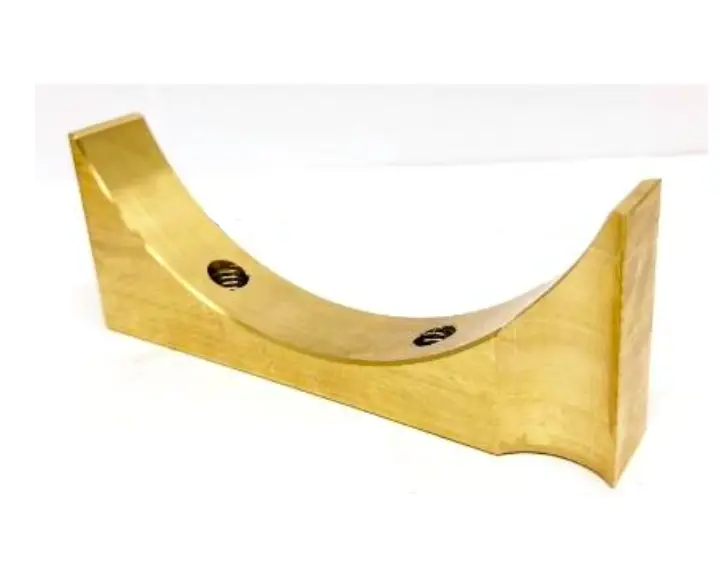
A guide maintains the path of a moving component, keeping travel where the design intends rather than allowing it to wander under load. The function sounds passive but is not: once a guide wears, movement goes slightly off line and the misalignment wears whatever the moving part contacts. Symptoms typically appear at neighbouring components first, which is why guides are renewed during scheduled overhaul rather than diagnosed on their own. A close dimensional match is not the same as the correct reference, so ordering against the part number matters. Quoting it together with the components it guides usually matches what the machine will need at that service. Perfomega quotes this Sandvik part by number and exports worldwide to mining, tunnelling and quarrying contractors.
Axial Piston Pump
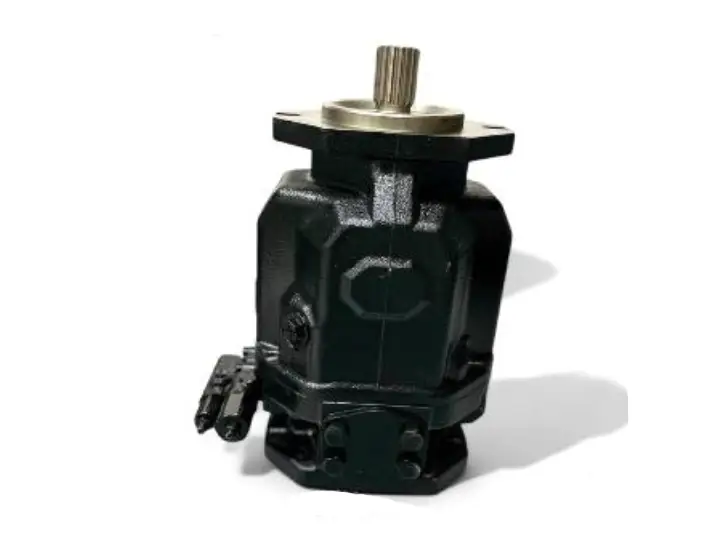
An axial piston pump converts input drive into hydraulic flow, making it the origin of every function the circuit performs. Its condition sets the ceiling for the whole system: a pump that is no longer delivering full flow leaves every function downstream slower, regardless of how sound those components are. Contamination is the principal enemy, since abrasive particles wear the close-fitting internal components that make the pump efficient. Fluid cleanliness therefore governs pump life more than operating hours do. Given the value and lead time involved, this is a planning item rather than a reactive purchase. Perfomega quotes this Sandvik part by number, with OEM and aftermarket options where both exist, and exports worldwide to mining and tunnelling operations.
Fan
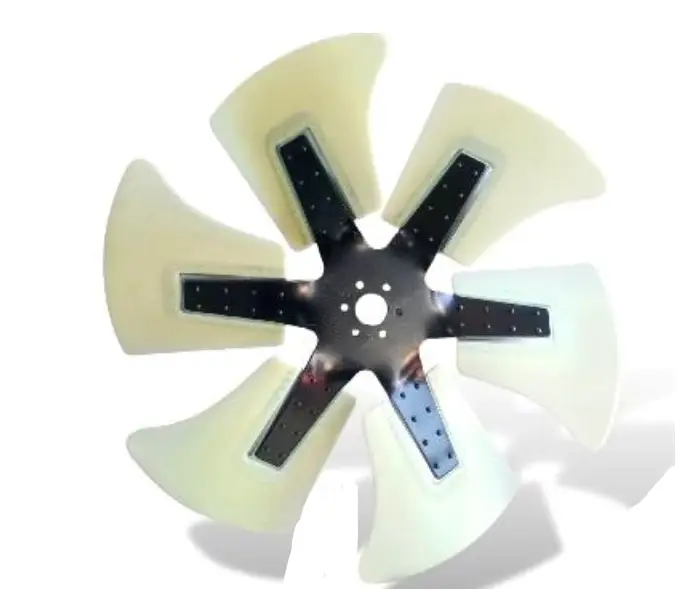
A fan moves air through a cooling pack or ventilation path, and cooling capacity is what keeps hydraulic fluid and engine temperatures within their working range. Reduced airflow raises operating temperatures throughout the machine, and elevated temperature shortens the life of fluid, seals and components far from the fan itself. Damaged blades also unbalance the assembly, which then wears its own bearing and mounting. Because the symptom appears as general overheating rather than an obvious fault, the fan is worth checking early in that diagnosis. Renewing it before the imbalance reaches its mounting keeps a modest job from becoming a larger one. Perfomega confirms availability on this Sandvik part number before quoting, and exports worldwide.